Valerie Jack
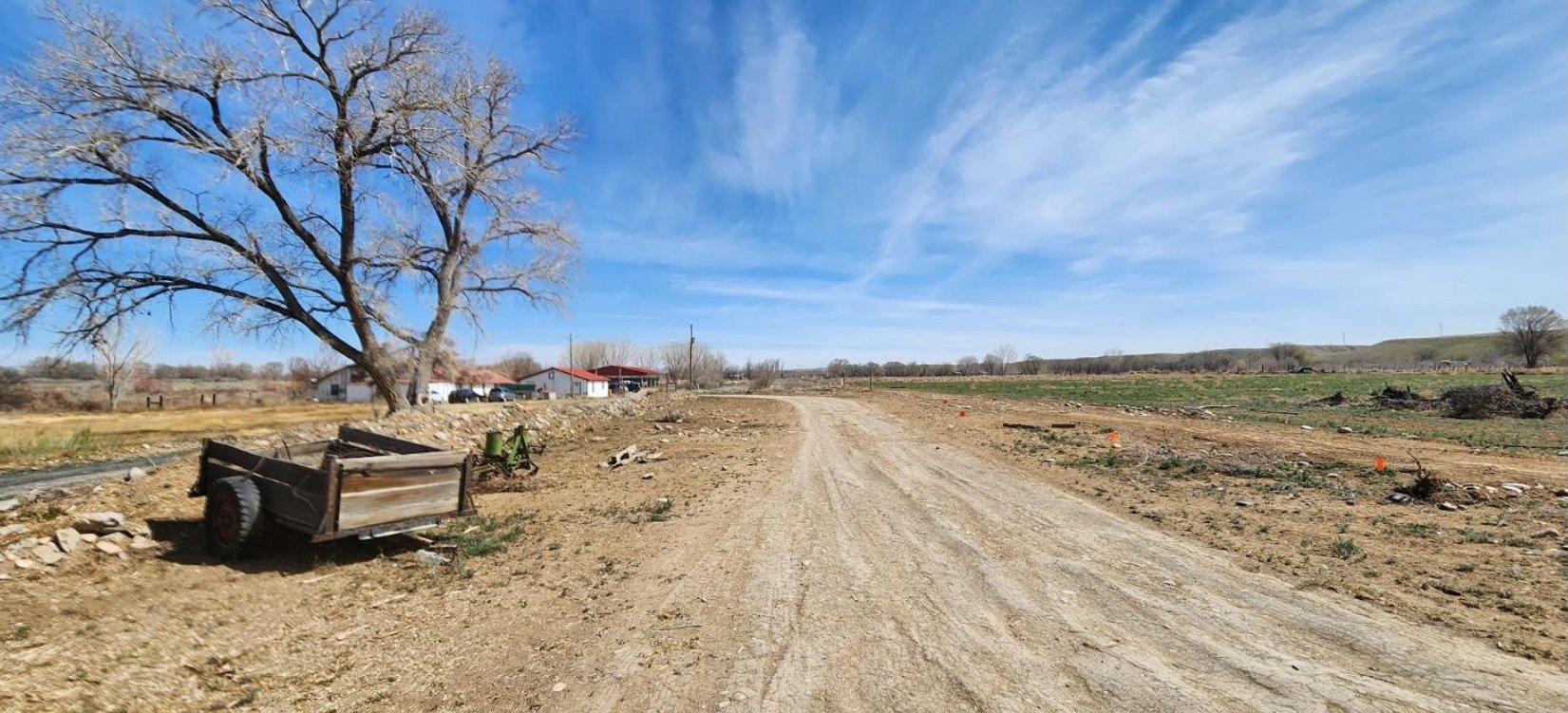
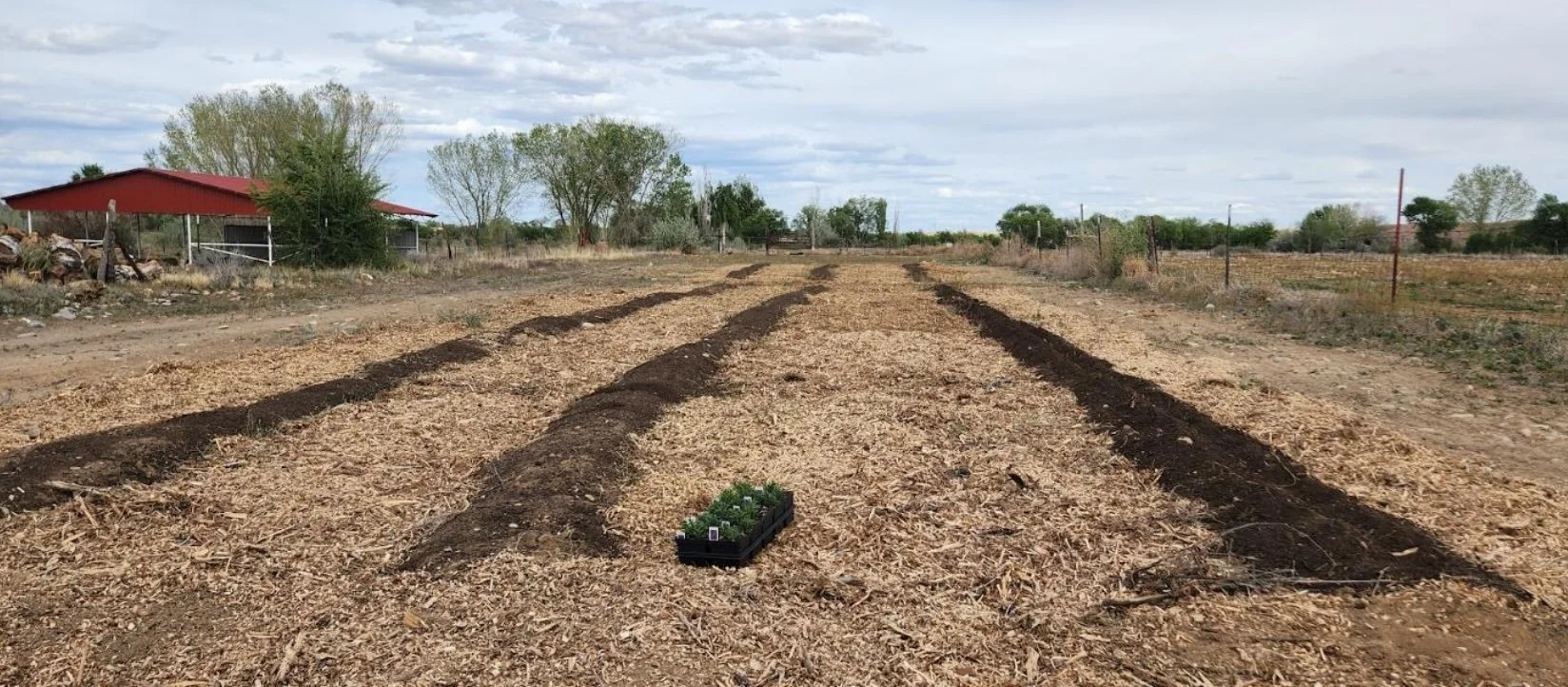
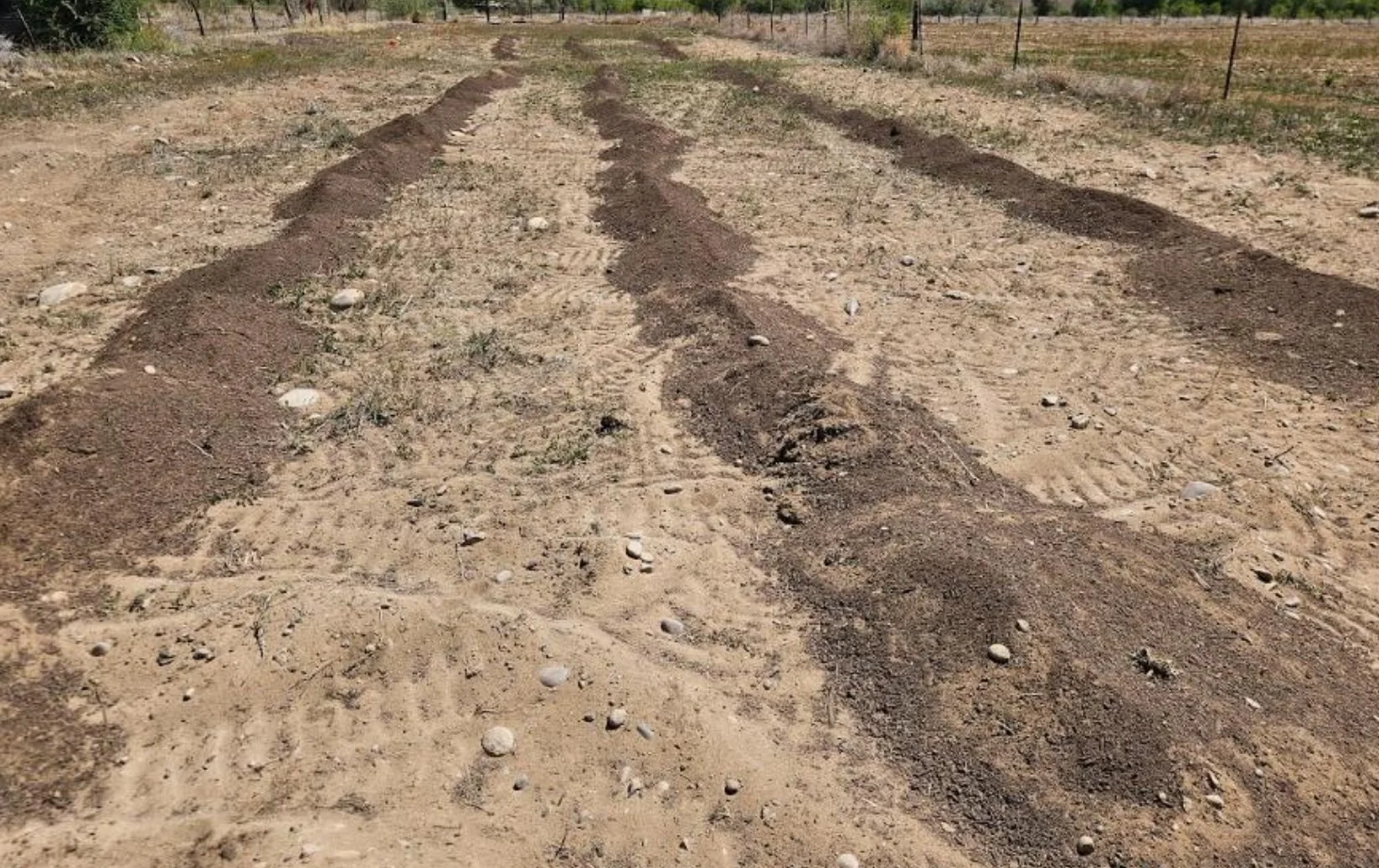
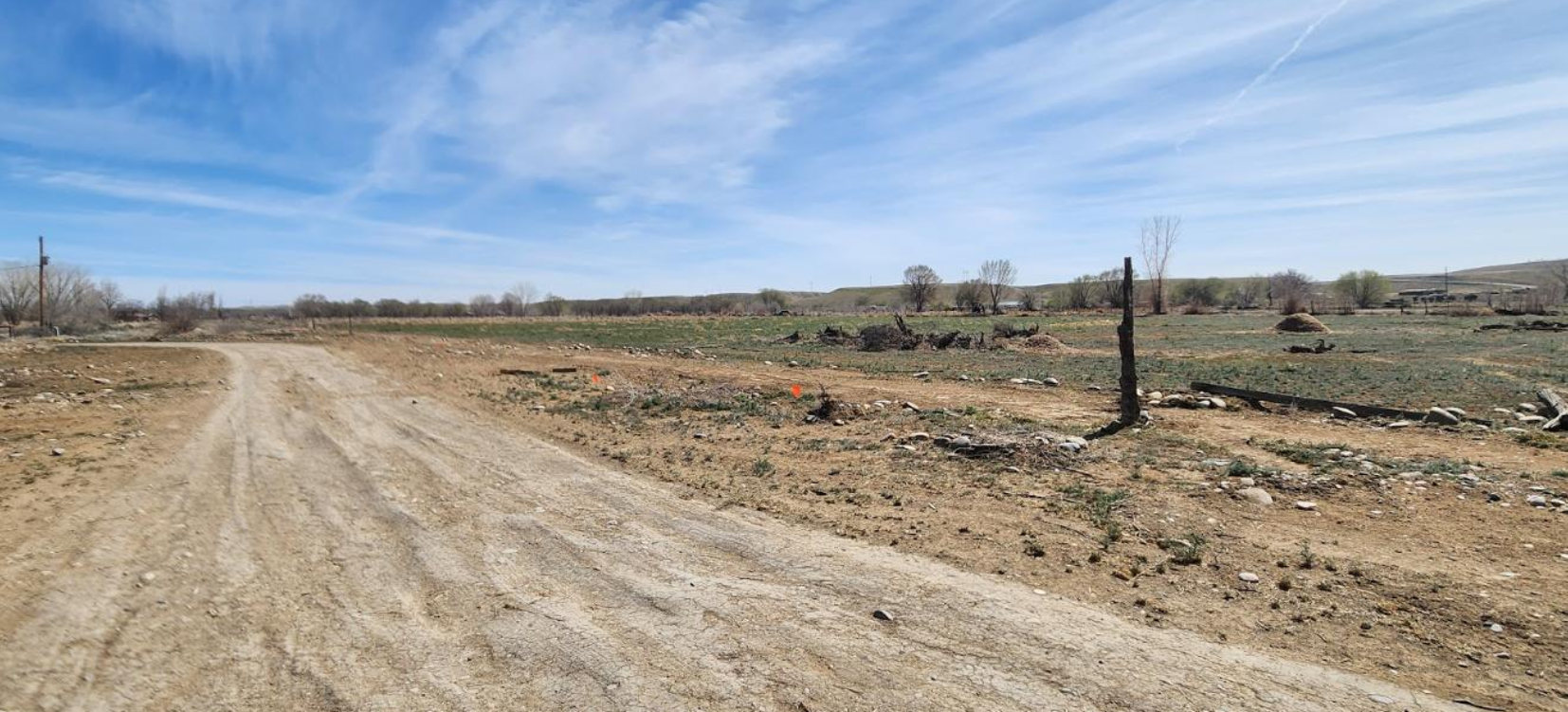
Valerie’s farm on the Diné reservation, FNR Legacy Farm, is built on the teachings of her grandparents and implements regenerative agricultural land-care practices focused on restoring soil health, improving water efficiency, increasing biodiversity, and building long-term resilience.
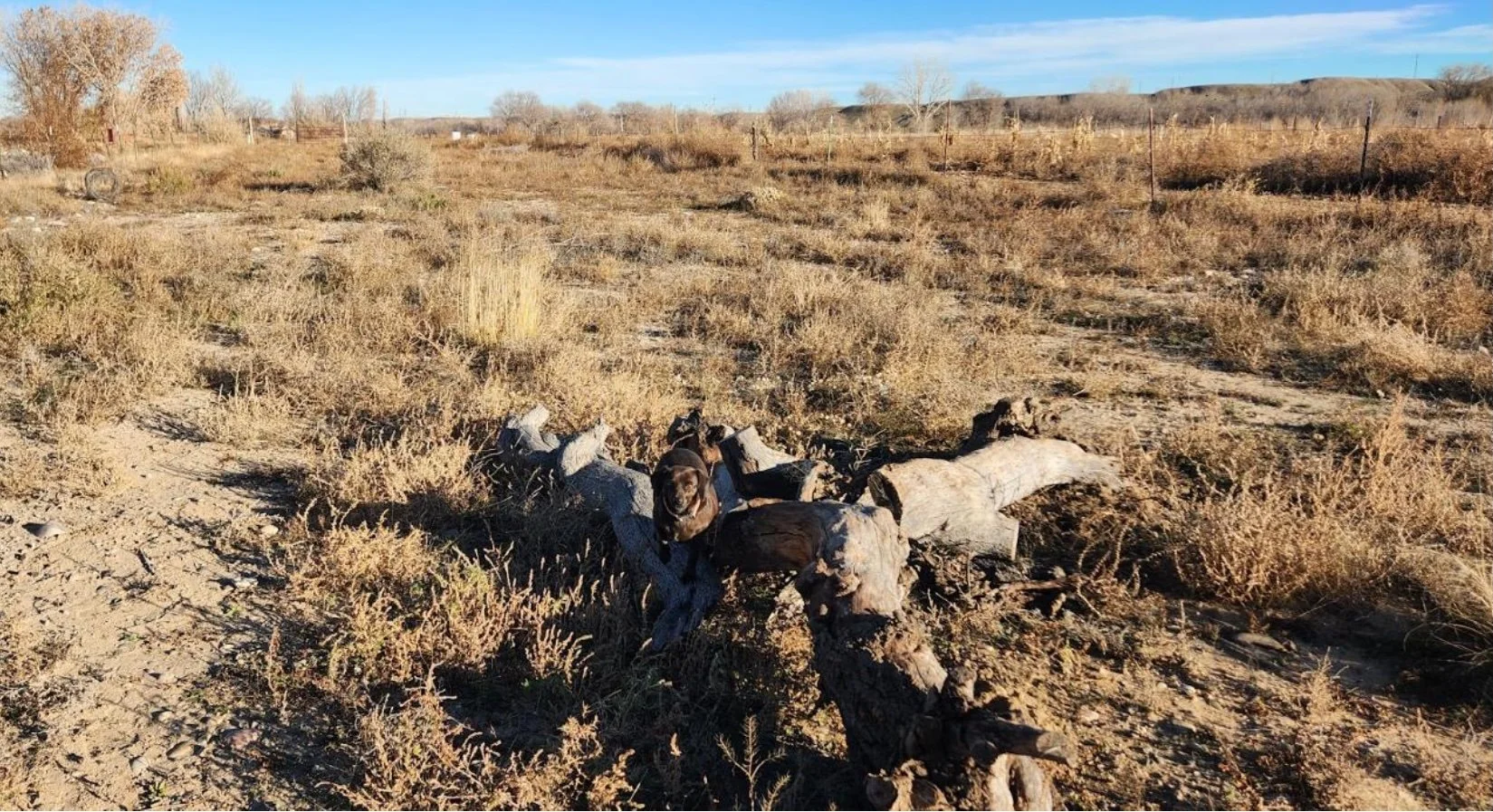
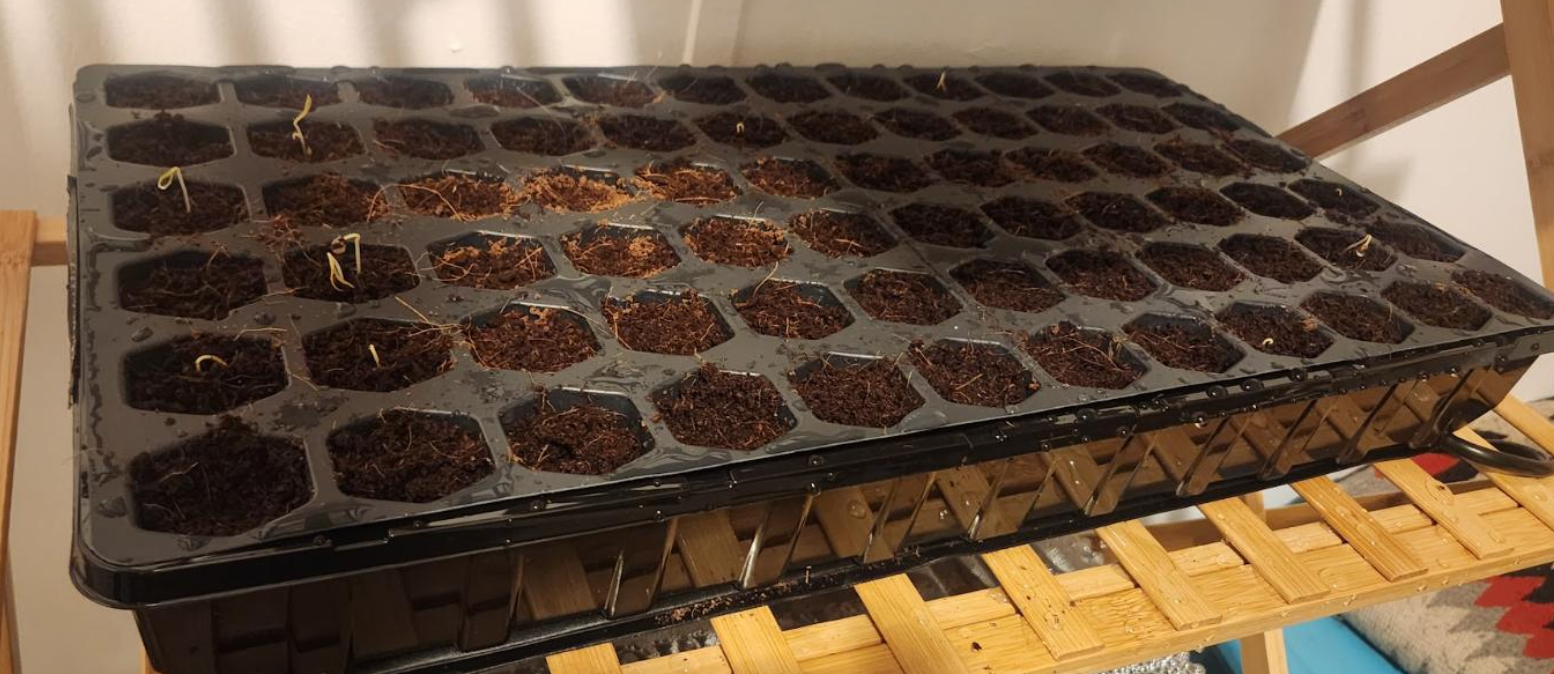
“Our farm is implementing regenerative agricultural land care practices focused on restoring soil health, improving water efficiency, increasing biodiversity, and building long-term resilience. Current efforts include applying compost and natural soil amendments to improve fertility, organic matter, and soil biology. Pollinator habitat areas are being established with wildflowers, herbs, lavender, and beneficial plant species to attract bees, butterflies, and other insects that support crop production. Fencing and land management improvements help protect growing areas, reduce unmanaged disturbance, and support intentional use of the land. Irrigation materials are being used to improve water delivery and conserve water in our dry high desert growing conditions. Seed starting systems help propagate locally adapted plants for seasonal production and habitat restoration. Together, these practices reduce erosion, strengthen ecosystem health, and improve farm productivity naturally over time. Our goal is to care for the land responsibly while creating a healthier, sustainable farm for future generations.”
Q&A
Q: What are you excited and passionate about, both large and small, in your farming efforts?
I am excited about bringing life back to the land through growing white corn, chili, melons, squash, lavender, herbs, and pollinator flowers that nourish both people and the environment. Our farming efforts are deeply connected to family legacy, healing the land, and creating something meaningful for the community. The small moments bring me joy—seeing bees and ladybugs return, wildlife come back, and noticing the land become active and alive again. The larger vision is helping support Native food sovereignty, bringing back cultural foods and knowledge, and creating opportunities for learning through trainings and community connection.
Q: How is your work loving the Earth? How is your work caring for the future?
My work loves Mother Earth by treating the land with respect, patience, and responsibility. Caring for the future means remembering how our grandparents lived with gratitude, hard work, and an understanding that what we do today affects those who come after us. Our efforts today are about building healthier land, preserving knowledge, and creating food systems for future generations.
Q: What kind of seed or plant are you?
I am both white corn and chile. White corn represents my roots, identity, nourishment, and responsibility to carry forward tradition. Chile represents strength, adaptability, and boldness. Together they reflect being grounded in tradition while willing to grow forward.
Q: How would you define Regenerative Agriculture in your body, your life, your heart, your land?
Regenerative agriculture is healing and renewal in every part of life. In my body, it means nourishment, movement, rest, and strength through steady care. In my life, it means rebuilding and continuing forward with intention. In my heart, it means hope, purpose, and legacy. On the land, it means soil coming alive again, water being respected, pollinators returning, and abundance being created naturally over time.
Q: Anything else you would like to share?
Our farm is rooted in family legacy and guided by gratitude. As an Indigenous led farming effort, this work is about more than production. It is about relationship to the land, culture, community, and future generations. I believe tradition and innovation can walk together. My hope is that this farm becomes a place of nourishment, resilience, and possibility for generations to come.
“FNR Legacy Farm is built on the teachings of my grandparents, who farmed our four acres using practices people now call regenerative methods our family simply understood as the right way to care for the land. Their approach centered on soil health, balance, and giving back, long before those ideas became industry standards. After the Gold King Mine spill, our family paused farming to protect our health and future. Today, we’re rebuilding the land with intention, growing traditional white corn for ceremonies and seasonal foods that support our community. This work restores more than a farm; it restores connection, food access, cultural knowledge, and community pride. FNR Legacy Farm honors my grandparents’ legacy while pushing it forward, strengthening community resilience, teaching sustainable practices, and ensuring our land continues to provide for generations to come.”